Address: Langfords | Friars Hill Rd | St. John's. Antigua | Email: dsjbchancery@gmail.com | Tel: 1-268-461-1135

Pope Leo XIV Issues Groundbreaking Encyclical: Magnifica Humanitas

ST. JOHN’S, ANTIGUA — The Diocese of St. John’s–Basseterre joins the global Catholic community in welcoming the first encyclical letter of His Holiness Pope Leo XIV, titled Magnifica Humanitas (Magnificent Humanity), published on May 25, 2026.
Subtitled “On Safeguarding the Human Person in the Time of Artificial Intelligence,” this seminal document provides a profound theological and ethical framework for navigating the rapid technological transitions of our era. The Holy Father signed the encyclical on May 15, 2026, deliberately coinciding with the 135th anniversary of Pope Leo XIII’s seminal social encyclical, Rerum Novarum.
In Magnifica Humanitas, Pope Leo XIV addresses the complexities of artificial intelligence, calling for the “disarmament” of technology from the logics of domination, exclusion, and warfare. He emphasizes that while technological progress offers significant potential, it must remain firmly at the service of human dignity and the common good.
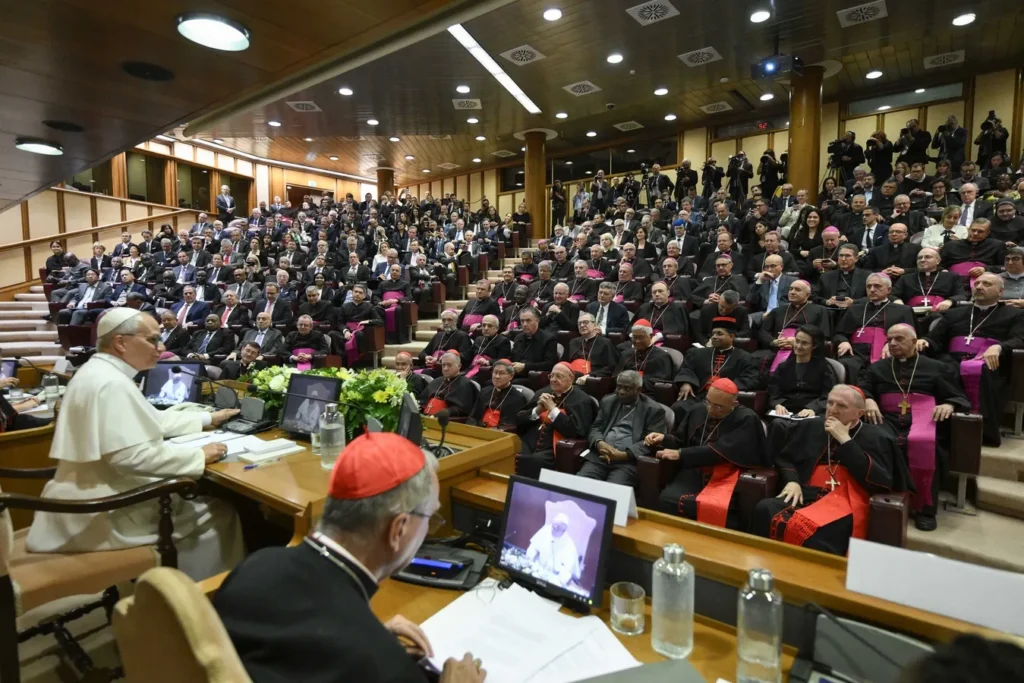
Key Themes of the Encyclical:
- The Primacy of the Human Person: The Holy Father warns against the concentration of technological power, asserting that AI must never replace human discernment or the intrinsic value of authentic human relationships.
- The Dignity of Work: Drawing parallels to Rerum Novarum, the text explores the impact of automation on labor, advocating for the protection of workers and the preservation of the dignity inherent in human toil.
- Social Justice and Peace: Pope Leo XIV highlights the risk of technology weakening our “critical sense,” noting that true peace is “justice at work.” He urges global leaders to ensure that AI does not exacerbate existing inequalities or facilitate autonomous weaponry.
- A Change of Era: The encyclical describes our current period as a “change of era,” requiring a collective awakening of conscience to ensure that we orient our future toward solidarity rather than isolation.
As a Diocese, we are called to reflect on how these teachings apply to our local context in Antigua and Barbuda and the wider Caribbean. The integration of technology in our schools, workplaces, and social structures must be guided by the principles of truth and the safeguarding of the most vulnerable among us.
We encourage all the faithful, educators, and community leaders to engage with the full text of Magnifica Humanitas as we work together to build a society where progress and faith walk hand in hand for the benefit of all humanity.
 English